

Psychophysiology Center
Psychophysiological & Kinetic Center
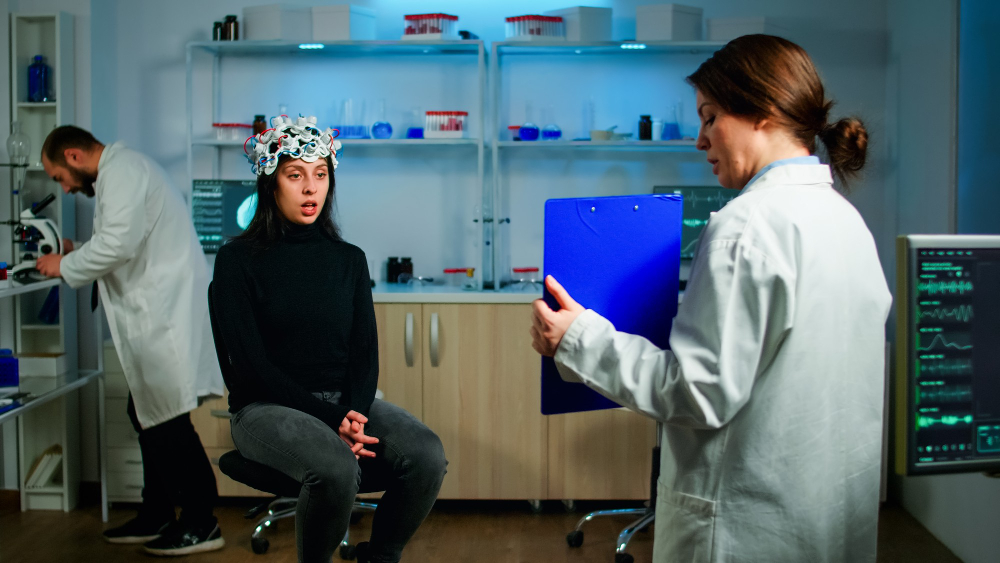
Psychophysiological Healthcare Services for Children, Adolescents, and Adults in America: Promoting Mental Health, Functional Development, Family Stability, and Community Integration
Introduction
Psychophysiological healthcare services represent an integrated approach to healthcare that examines the interaction between psychological processes, physiological functioning, behavior, emotions, and overall health. Psychophysiology recognizes that mental, emotional, and physical health are interconnected and that changes in thoughts, stress levels, emotions, and behaviors can significantly influence neurological, endocrine, cardiovascular, immune, and behavioral functioning.
In the United States, psychophysiological healthcare services are utilized to support children, adolescents, and adults experiencing mental health disorders, behavioral difficulties, chronic stress, developmental disorders, psychosomatic conditions, anxiety disorders, depression, trauma-related disorders, attention-deficit/hyperactivity disorder (ADHD), autism spectrum disorders, and other psychiatric conditions. These services integrate evidence-based interventions such as psychological assessment, behavioral therapy, biofeedback, neurofeedback, stress management, family therapy, psychoeducation, cognitive behavioral therapy (CBT), relaxation training, mindfulness-based interventions, and coordinated medical care to improve functioning and quality of life. National Institute of Mental Health (NIMH) identifies early intervention and treatment as essential for preventing long-term impairment and promoting healthy development. [nimh.nih.gov], [nimh.nih.gov]
Understanding Psychophysiological Healthcare Services
Psychophysiological healthcare focuses on the relationship between:
- Brain functioning
- Emotional responses
- Behavior patterns
- Physical health
- Stress responses
- Social interactions
- Environmental influences
These services address how psychological stress and psychiatric disorders affect physical functioning and how physiological symptoms may contribute to emotional and behavioral challenges.
Common psychophysiological interventions include:
- Cognitive Behavioral Therapy (CBT)
- Biofeedback
- Neurofeedback
- Relaxation Training
- Mindfulness-Based Stress Reduction (MBSR)
- Family Therapy
- Behavioral Modification Programs
- Social Skills Training
- Psychoeducation
- Medication Management
- Care Coordination
These interventions promote emotional regulation, behavioral self-control, resilience, and adaptive functioning. [jaacap.org], [ohioaap.org]
Psychophysiological Healthcare Services for Children
Supporting Healthy Childhood Development
Childhood is a critical developmental period during which emotional regulation, social interaction, cognitive functioning, and behavioral self-control are established. Untreated mental health conditions may negatively affect:
- Language development
- School readiness
- Emotional stability
- Social competence
- Academic achievement
- Family functioning
Mental health symptoms that interfere with daily functioning at home, school, or among peers require professional evaluation and intervention. Early treatment significantly improves developmental outcomes. National Institute of Mental Health (NIMH) emphasizes that children benefit most when intervention occurs before symptoms become severe and chronic. [nimh.nih.gov], [nimh.nih.gov]
Home-Based Functional Support
Psychophysiological healthcare professionals support children through:
- Parent training programs
- Behavioral interventions
- Stress management techniques
- Family counseling
- Emotional regulation strategies
- Relaxation exercises
Parents are taught to recognize behavioral triggers, reinforce positive behaviors, establish routines, and implement effective communication practices. These interventions improve family stability and reduce behavioral disruptions. [jaacap.org], [pmc.ncbi.nlm.nih.gov]
Psychophysiological Healthcare Services for Adolescents
Addressing Developmental Challenges
Adolescence is associated with significant psychological and physiological changes. During this period, many mental health conditions emerge, including:
- Depression
- Anxiety disorders
- Eating disorders
- Substance misuse
- Conduct disorders
- Trauma-related disorders
Serious mental illnesses frequently begin during adolescence and may interfere with educational achievement, emotional development, and peer relationships if untreated. [pmc.ncbi.nlm.nih.gov], [nimh.nih.gov]
School-Based Support Services
Psychophysiological healthcare providers collaborate with schools to improve:
- Attendance
- Academic performance
- Behavioral regulation
- Social functioning
- Emotional wellness
Services may include:
- School counseling
- Behavioral support plans
- Crisis intervention
- Stress management training
- Individual therapy
- Family-school collaboration
Research demonstrates that school and community interventions improve mental health outcomes and promote positive social interactions. [pmc.ncbi.nlm.nih.gov], [jaacap.org]
Psychophysiological Healthcare Services for Adults
Adults experiencing psychiatric or stress-related disorders often benefit from psychophysiological healthcare services that address both mental and physical symptoms.
Common conditions include:
- Major depressive disorder
- Generalized anxiety disorder
- Bipolar disorder
- Post-traumatic stress disorder
- Chronic stress
- Somatic symptom disorders
- Serious mental illness
Services focus on:
- Symptom reduction
- Stress management
- Emotional self-regulation
- Occupational functioning
- Family stability
- Community participation
Integrated treatment models improve overall health outcomes and patient satisfaction while supporting recovery and independence. [ohioaap.org], [samhsa.gov]
Impact on Interpersonal Skills
Individuals with psychiatric and behavioral disorders often struggle with:
- Poor communication
- Social withdrawal
- Difficulty interpreting social cues
- Emotional outbursts
- Limited empathy
Psychophysiological interventions improve:
- Active listening
- Communication skills
- Emotional awareness
- Self-regulation
- Relationship-building skills
As emotional regulation strengthens, individuals become more capable of maintaining positive personal, educational, and occupational relationships. [pmc.ncbi.nlm.nih.gov], [pmc.ncbi.nlm.nih.gov]
Improvement of Social, Leisure, and Recreational Skills
Psychophysiological treatment programs encourage healthy participation in:
- Sports
- Community recreation programs
- Group activities
- Arts and music programs
- Volunteer opportunities
- Social clubs
These experiences help individuals:
- Build friendships
- Develop teamwork skills
- Enhance self-esteem
- Improve social confidence
- Reduce social isolation
Community-based programs that include leisure and recreational activities have demonstrated benefits in recovery, psychosocial adjustment, and community integration. [pmc.ncbi.nlm.nih.gov], [pubmed.ncb…lm.nih.gov]
Development of Coping Skills
Psychophysiological healthcare aims to help individuals manage emotional stress effectively.
Examples of coping skills taught include:
- Deep breathing techniques
- Relaxation training
- Mindfulness exercises
- Guided imagery
- Emotional self-monitoring
- Stress management techniques
Improved coping abilities decrease anxiety, improve emotional stability, and reduce maladaptive behaviors. [jaacap.org], [ohioaap.org]
Problem-Solving and Conflict Resolution Skills
Many individuals with psychiatric disorders struggle with adaptive problem-solving.
Psychophysiological interventions teach patients to:
- Identify problems.
- Analyze contributing factors.
- Explore possible solutions.
- Evaluate consequences.
- Implement healthy responses.
Conflict resolution training promotes:
- Patience
- Emotional control
- Negotiation skills
- Respectful communication
- Perspective taking
These skills contribute to better peer relationships, family interactions, and workplace functioning. [pmc.ncbi.nlm.nih.gov], [jaacap.org]
Community Integration and Functional Independence
Modern psychophysiological healthcare promotes recovery within the least restrictive setting possible. Providers support participation in:
- Schools
- Employment settings
- Recreational activities
- Community organizations
- Family events
- Social networks
Community-based systems of care focus on individualized treatment, family participation, cultural responsiveness, and continuity of care, all of which improve functional outcomes and quality of life. [jaacap.org], [jaacap.org]
Improving Healthcare Practices and Medical Appointment Attendance
Individuals with psychiatric disorders often encounter barriers to healthcare access, including:
- Transportation difficulties
- Forgetfulness
- Anxiety regarding treatment
- Poor health literacy
- Social stigma
Psychophysiological healthcare professionals address these barriers through:
- Appointment reminders
- Care coordination
- Family education
- Case management
- Telehealth services
- Integrated care models
Collaborative care approaches improve healthcare engagement, treatment adherence, and overall access to services. [ohioaap.org], [jaacap.org]
Reducing Mental Health Stigma
Mental health stigma often prevents individuals and families from seeking treatment. Stigma may contribute to:
- Delayed intervention
- Social isolation
- Reduced treatment compliance
- Poor health outcomes
Psychophysiological healthcare programs reduce stigma through:
- Psychoeducation
- Community outreach
- School-based education
- Family engagement
- Peer-support initiatives
Reducing stigma increases access to services and encourages long-term participation in treatment and recovery programs. [samhsa.gov], [nimh.nih.gov]
Family Relationship Problems and Dysfunctional Family Issues
Mental health disorders frequently affect entire family systems.
Common family challenges include:
- Caregiver stress
- Marital conflict
- Communication breakdown
- Financial strain
- Sibling difficulties
- Emotional exhaustion
Psychophysiological healthcare providers work with families to strengthen:
- Communication patterns
- Emotional support systems
- Conflict resolution
- Parenting practices
- Family cohesion
Family-focused interventions have demonstrated positive effects on family functioning and psychological outcomes for youth and caregivers. [pmc.ncbi.nlm.nih.gov], [jaacap.org]
Addressing Behavioral Problems and Age-Inappropriate Behaviors
Examples of problematic or age-inappropriate behaviors include:
Children
- Frequent temper tantrums
- Physical aggression
- Property destruction
- Persistent defiance
- Excessive impulsivity
Adolescents
- Truancy
- Bullying
- Substance use
- Vandalism
- Risk-taking behaviors
- Persistent rule violations
Adults
- Aggressive outbursts
- Social withdrawal
- Poor emotional regulation
- Noncompliance with treatment
Psychophysiological interventions target the physiological and psychological factors underlying these behaviors. Techniques such as biofeedback, behavioral therapy, emotional regulation training, and family therapy help reduce maladaptive conduct while reinforcing positive behaviors. [aacap.org], [nimh.nih.gov]
Improving Peer Relationships
Psychiatric conditions often create difficulties in:
- Forming friendships
- Maintaining relationships
- Participating in group activities
- Managing social conflict
Psychophysiological healthcare services improve peer interactions by teaching:
- Social communication
- Emotional awareness
- Empathy
- Cooperative behaviors
- Appropriate social boundaries
These interventions enhance social confidence and reduce peer rejection and isolation. [pmc.ncbi.nlm.nih.gov], [pmc.ncbi.nlm.nih.gov]
Positive Effects on Family Members
Family members often experience substantial benefits from psychophysiological healthcare interventions.
Positive outcomes include:
- Reduced caregiver burden
- Less family conflict
- Improved communication
- Better stress management
- Increased family cohesion
- Improved understanding of mental illness
- Greater treatment adherence
As individuals develop healthier behaviors and coping skills, family members often report greater satisfaction, stability, and overall well-being. [pmc.ncbi.nlm.nih.gov], [pubmed.ncb…lm.nih.gov]
Professional Procedures in Psychophysiological Healthcare
Evidence-based psychophysiological healthcare follows a structured clinical process.
- Comprehensive Assessment
The evaluation may include:
- Clinical interviews
- Psychological testing
- Behavioral observations
- Physiological monitoring
- Developmental assessments
- Family assessments
- Risk assessments
- Diagnostic Formulation
Providers develop individualized diagnoses using evidence-based criteria and biopsychosocial analysis.
- Treatment Planning
Treatment plans identify:
- Presenting problems
- Functional limitations
- Strengths
- Goals and objectives
- Recommended interventions
- Therapeutic Intervention
Interventions may include:
- Cognitive Behavioral Therapy (CBT)
- Biofeedback
- Neurofeedback
- Relaxation training
- Mindfulness-based interventions
- Family therapy
- Group therapy
- Medication management
- Ongoing Monitoring
Professionals regularly evaluate:
- Symptom reduction
- Behavior change
- Family functioning
- Treatment adherence
- Community participation
- Overall outcomes
These procedures ensure ethical, individualized, and evidence-based care. [jaacap.org], [ohioaap.org]
Conclusion
Psychophysiological healthcare services provide comprehensive support to children, adolescents, and adults throughout the United States by addressing the interaction between mental, emotional, behavioral, and physiological functioning. These services promote healthy childhood development, improve family relationships, strengthen coping and problem-solving abilities, enhance interpersonal effectiveness, reduce behavioral difficulties, increase healthcare engagement, lessen stigma, and facilitate successful community integration. Through evidence-based assessment, treatment, family participation, and coordinated healthcare delivery, psychophysiological interventions contribute significantly to recovery, resilience, functional independence, and improved quality of life across the lifespan.
References
American Academy of Child and Adolescent Psychiatry. (2023). Clinical update: Child and adolescent behavioral health care in community systems of care. Journal of the American Academy of Child & Adolescent Psychiatry, 62(4), 367-384. [jaacap.org]
American Academy of Child and Adolescent Psychiatry. (2023). Clinical update: Collaborative mental health care for children and adolescents in pediatric primary care. Journal of the American Academy of Child & Adolescent Psychiatry. [ohioaap.org]
García-Carrión, R., Villarejo-Carballido, B., & Villardón-Gallego, L. (2019). Children and adolescents mental health: A systematic review of interaction-based interventions in schools and communities. Frontiers in Psychology, 10, 918. [pmc.ncbi.nlm.nih.gov]
Jiménez, L., Hidalgo, V., Baena, S., León, A., & Lorence, B. (2019). Effectiveness of structural-strategic family therapy in the treatment of adolescents with mental health problems and their families. International Journal of Environmental Research and Public Health, 16(7), 1255. [pmc.ncbi.nlm.nih.gov]
National Institute of Mental Health. (2024). Child and adolescent mental health. U.S. Department of Health and Human Services. [nimh.nih.gov]
National Institute of Mental Health. (2024). Child and adolescent programs. U.S. Department of Health and Human Services. [nimh.nih.gov]
Substance Abuse and Mental Health Services Administration. (2024). Serious mental illness. U.S. Department of Health and Human Services. [samhsa.gov]
Tuaf, H., & Orkibi, H. (2023). Community-based programs for youth with mental health conditions: A scoping review and practical implications. Frontiers in Public Health, 11, 1241469. [pmc.ncbi.nlm.nih.gov]
Winters, N. C., & Pumariega, A. (2007). Practice parameter on child and adolescent mental health care in community systems of care. Journal of the American Academy of Child & Adolescent Psychiatry, 46(2), 284-299. [jaacap.org]
Wong, B. H. C., Burrage, J., Albazi, M., Hornby, P., Atanda, O., & Ougrin, D. (2026). Experiences and satisfaction with intensive community care services for children and adolescents with severe mental health disorders: A mixed-methods systematic review. European Child & Adolescent Psychiatry. [pubmed.ncb…lm.nih.gov]
Raballo, A., Schultze-Lutter, F., & Armando, M. (2021). Children, adolescents and families with severe mental illness: Toward a comprehensive early identification of risk. Frontiers in Psychiatry, 12, 812229. [pmc.ncbi.nlm.nih.gov]
Psychophysiological & Kinetic Center
Our Psychophysiological & Kinetic Health Center provides integrated services and referral through network of independent Clinical Providers to all members with mental health issues. We ask the questions to understand how psychological processes relate to physiological issues or vice versa. We study events of physiological type or organ systems and autonomic nervous system. This process explores cortical brain potentials like event-related potentials (ERPs), brain waves, and applying advanced technology such as functional magnetic resonance imaging (fMRI), MRI, PET, MEG, and other neuroimagery techniques to understand mental and behavioral health conditions. This center work together with neuropsychiatric center to provide clinical decision used by medical, psychological, mental, social, and addiction specialists in providing appropriate treatment and rehabilitation to individuals served.