

Our Biopsychosocial Health Center
Biopsychosocial Health Center
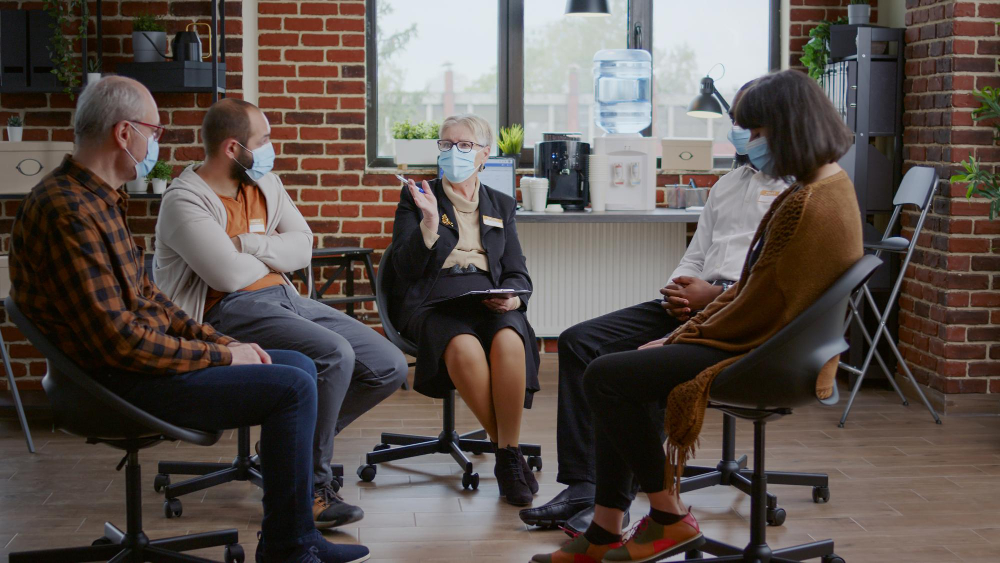
Biopsychosocial Healthcare Services for Children, Adolescents, and Adults in America: Promoting Mental Health, Functional Development, Family Stability, and Community Integration
Abstract
The biopsychosocial model is one of the most influential frameworks in modern healthcare and behavioral health practice. Developed by George L. Engel, the model recognizes that biological, psychological, and social factors interact to influence health, illness, behavior, and overall functioning. The biopsychosocial approach has become particularly important in providing comprehensive services to children, adolescents, and adults experiencing mental health disorders, behavioral challenges, developmental disabilities, emotional disturbances, and psychosocial stressors. Through coordinated interventions that address physical health, emotional well-being, family relationships, educational performance, social functioning, and environmental influences, biopsychosocial healthcare services improve functioning across multiple life domains. These services enhance interpersonal relationships, coping skills, problem-solving abilities, conflict-resolution skills, healthcare engagement, school performance, workplace productivity, and community participation. Furthermore, biopsychosocial interventions reduce stigma, improve access to care, strengthen family systems, decrease problematic behaviors, and promote resilience throughout the lifespan. This paper examines the principles of biopsychosocial healthcare, the application of services across developmental stages, positive impacts on children, adolescents, adults, and families, and the professional procedures used in treating mental health disorders and behavioral challenges.
Introduction
Mental health and behavioral disorders are among the leading causes of disability, functional impairment, and reduced quality of life in the United States. Individuals experiencing psychiatric conditions often face difficulties in multiple areas of functioning, including home life, education, employment, healthcare participation, social relationships, and community engagement. Traditional medical models historically focused primarily on biological symptoms and disease processes. However, contemporary healthcare recognizes that psychological and social factors are equally important contributors to overall health and wellness.
The biopsychosocial model emerged as a response to the limitations of purely biomedical approaches. According to George L. Engel, health and illness result from the interaction of biological, psychological, and social influences rather than from a single causal factor. This theoretical framework has transformed healthcare by encouraging professionals to consider individuals within the context of their families, communities, developmental histories, environments, and social relationships.
Today, biopsychosocial healthcare services are provided in hospitals, community mental health centers, outpatient clinics, schools, residential treatment facilities, primary care practices, rehabilitation programs, and integrated healthcare systems. These services promote comprehensive assessment, individualized treatment planning, evidence-based interventions, and multidisciplinary collaboration. By addressing the whole person rather than isolated symptoms, biopsychosocial healthcare supports long-term recovery, improved functioning, and enhanced quality of life.
Foundations of the Biopsychosocial Model
The biopsychosocial model proposes that health outcomes result from dynamic interactions among biological, psychological, and social systems rather than from disease processes alone.
Biological Components
Biological factors encompass the physiological and genetic variables that influence physical and mental health. These may include:
- Genetics and heredity
- Neurological development
- Brain chemistry
- Hormonal functioning
- Medical conditions
- Physical disabilities
- Sleep patterns
- Nutrition
- Medication needs
Biological assessments help healthcare providers understand how physical factors contribute to emotional and behavioral symptoms. For example, depression may be associated with neurotransmitter dysregulation, while attention-deficit/hyperactivity disorder (ADHD) may involve neurodevelopmental factors affecting attention and impulse control.
Healthcare services addressing biological needs may include:
- Medical examinations
- Psychiatric evaluations
- Medication management
- Occupational therapy
- Nutrition counseling
- Sleep interventions
- Physical healthcare services
Addressing biological concerns strengthens overall treatment outcomes and supports optimal mental health functioning.
Psychological Components
Psychological factors involve thoughts, emotions, beliefs, attitudes, behaviors, personality traits, and coping mechanisms.
Psychological services help individuals:
- Understand emotions
- Develop self-awareness
- Manage stress
- Improve self-esteem
- Address trauma
- Change maladaptive thinking patterns
- Strengthen resilience
Mental health professionals frequently use evidence-based treatments such as Cognitive Behavioral Therapy (CBT), Dialectical Behavior Therapy (DBT), Trauma-Focused Cognitive Behavioral Therapy (TF-CBT), Motivational Interviewing (MI), and solution-focused interventions.
Social Components
Social influences significantly affect mental health outcomes.
Important social factors include:
- Family relationships
- Peer relationships
- Educational experiences
- Employment opportunities
- Community support systems
- Housing stability
- Cultural influences
- Socioeconomic status
- Access to healthcare
Strong social supports frequently serve as protective factors that promote recovery and resilience, while adverse social conditions may contribute to emotional distress and functional impairment.
Biopsychosocial Healthcare Services for Children
Childhood represents a critical period of physical, cognitive, emotional, and social development. Mental health concerns that emerge during childhood may interfere with developmental milestones and impair long-term functioning when left untreated.
Biopsychosocial healthcare services support children by addressing their comprehensive developmental needs.
Supporting Children at Home
The home environment serves as a child’s primary social and emotional learning context. When children experience behavioral or emotional difficulties, biopsychosocial interventions often focus on family-centered treatment approaches.
Home-based supports may include:
- Parent training programs
- Family therapy
- Behavioral intervention planning
- Psychoeducation
- Crisis intervention services
- Caregiver support programs
These interventions help parents understand their child’s emotional and behavioral needs while learning positive discipline techniques and effective communication strategies.
Positive outcomes often include:
- Improved parent-child relationships
- Increased household stability
- Reduced family conflict
- Greater emotional security
- Consistent behavioral expectations
As caregivers become more knowledgeable and skilled, children often demonstrate improved behavior and emotional functioning.
Supporting Children in School Settings
Schools are among the most important environments for child development and socialization. Children struggling with mental health concerns may experience academic difficulties, behavioral challenges, peer conflicts, and reduced classroom participation.
Biopsychosocial school-based services may include:
- Individual counseling
- School social work services
- Behavioral consultation
- Academic accommodations
- Crisis counseling
- Classroom interventions
When mental health and educational professionals collaborate, children are better able to:
- Maintain attendance
- Improve concentration
- Complete assignments
- Follow classroom expectations
- Develop positive relationships with teachers and peers
Improved educational functioning has lasting effects on future academic achievement, self-confidence, and career success.
Play Activities and Childhood Development
Play is a fundamental component of healthy childhood development. Through structured and unstructured play experiences, children learn essential emotional, cognitive, and social skills.
Biopsychosocial healthcare frequently incorporates play therapy and recreational interventions to promote:
- Emotional expression
- Self-regulation
- Social interaction
- Creativity
- Problem-solving skills
- Cognitive development
Play-based interventions are particularly effective for younger children who may have difficulty verbalizing emotions and experiences.
Biopsychosocial Healthcare Services for Adolescents
Adolescence is characterized by significant biological, psychological, and social transitions. During this developmental stage, individuals establish personal identities, develop independence, form peer relationships, and prepare for adult responsibilities.
Adolescents frequently experience mental health concerns including:
- Anxiety disorders
- Depression
- ADHD
- Behavioral disorders
- Trauma-related disorders
- Substance use disorders
Biopsychosocial interventions support healthy adolescent development through comprehensive and developmentally appropriate services.
Emotional and Psychological Support
Adolescents benefit from interventions that help them:
- Understand emotions
- Develop self-awareness
- Build self-confidence
- Manage stress
- Strengthen decision-making abilities
- Improve impulse control
Therapeutic relationships provide opportunities for adolescents to process challenges while developing healthy coping strategies.
Educational Support
Educational achievement remains a central developmental task during adolescence.
Biopsychosocial services improve school functioning by addressing:
- Attendance problems
- Behavioral concerns
- Social difficulties
- Motivation deficits
- Academic struggles
Professionals collaborate with families and educational teams to ensure coordinated interventions that support academic success.
Community Integration
Community involvement enhances adolescent development by providing opportunities to develop leadership, responsibility, and social competence.
Biopsychosocial programs encourage participation in:
- Sports teams
- Community organizations
- Volunteer activities
- Youth leadership programs
- Recreational groups
- Mentoring relationships
These experiences promote positive identity development and reduce risk factors associated with social isolation and delinquency.
Biopsychosocial Healthcare Services for Adults
Adults experiencing mental health disorders often encounter significant challenges affecting employment, independent living, physical health, and family relationships.
Biopsychosocial healthcare services help adults achieve stability and improved quality of life through coordinated interventions that address multiple domains of functioning.
Occupational Functioning
Mental health disorders frequently impair workplace performance.
Biopsychosocial interventions help adults:
- Manage workplace stress
- Improve concentration
- Strengthen communication
- Increase productivity
- Resolve interpersonal conflicts
As symptoms improve, individuals often experience greater job satisfaction and employment stability.
Independent Living Skills
Adults receiving biopsychosocial services may develop greater competence in:
- Financial management
- Time management
- Healthcare coordination
- Transportation planning
- Household maintenance
- Community participation
These improvements promote autonomy and self-sufficiency.
Improving Interpersonal Skills
Individuals with mental health disorders often struggle with interpersonal functioning. Poor communication, emotional dysregulation, social anxiety, and impaired judgment may contribute to strained relationships.
Biopsychosocial interventions improve interpersonal functioning by teaching:
- Active listening
- Effective communication
- Emotional awareness
- Assertiveness
- Empathy
- Respectful interactions
As interpersonal skills improve, individuals often experience healthier family relationships, friendships, and workplace interactions.
Strengthening Social Skills
Social skills are essential for successful participation in family, school, workplace, and community environments.
Mental health professionals help individuals develop:
- Conversation skills
- Cooperation
- Teamwork
- Perspective-taking
- Relationship-building abilities
- Appropriate social boundaries
Children and adolescents with social skill deficits frequently benefit from social skills groups that provide opportunities for practice and feedback in supportive environments.
Improved social competence often leads to:
- Greater confidence
- Better peer relationships
- Increased social participation
- Reduced social anxiety
Enhancing Leisure and Recreational Skills
Leisure and recreational activities contribute significantly to psychological wellness.
Individuals experiencing mental health disorders may struggle to engage in enjoyable activities due to depression, anxiety, social difficulties, or low motivation.
Biopsychosocial healthcare promotes participation in:
- Physical exercise
- Art programs
- Music activities
- Sports
- Community events
- Cultural experiences
- Outdoor recreation
Positive leisure involvement supports emotional regulation, socialization, self-esteem, and stress reduction.
Improving Coping Skills
Coping skills refer to the strategies individuals use to manage stress and adversity.
When healthy coping skills are absent, individuals may respond through:
- Aggression
- Withdrawal
- Self-harm
- Substance use
- Emotional outbursts
Biopsychosocial interventions teach healthier alternatives such as:
- Mindfulness
- Deep breathing
- Relaxation techniques
- Cognitive restructuring
- Emotional regulation
- Stress management
These skills strengthen resilience and support long-term recovery.
Improving Problem-Solving Skills
Problem-solving abilities are critical for effective daily functioning.
Treatment interventions help individuals learn how to:
- Identify problems accurately.
- Gather relevant information.
- Generate possible solutions.
- Assess consequences or risks.
- Implement selected strategies.
- Evaluate outcomes.
Improved problem-solving contributes to greater independence and confidence across all life domains.
Strengthening Conflict Resolution Skills
Conflict is a natural part of human relationships. However, individuals with behavioral health conditions may struggle to manage disagreements effectively.
Biopsychosocial healthcare teaches:
- Anger management
- Communication techniques
- Negotiation skills
- Perspective taking
- Compromise strategies
These interventions reduce aggression and improve relationship stability.
Improving Healthcare Practices and Medical Appointment Attendance
Individuals with serious mental health conditions frequently experience difficulties engaging in healthcare services.
Common challenges include:
- Missed appointments
- Medication nonadherence
- Poor communication with providers
- Delayed treatment seeking
Biopsychosocial services address these barriers through:
- Case management
- Care coordination
- Appointment reminders
- Transportation assistance
- Family support involvement
- Patient education
Improved healthcare engagement often results in earlier intervention, better treatment outcomes, and reduced hospitalization rates.
Increasing Access to Mental Healthcare Services
Access to behavioral healthcare remains a significant challenge throughout the United States.
Biopsychosocial healthcare systems address barriers through:
- Telehealth services
- Community outreach programs
- School-based mental health services
- Integrated healthcare models
- Mobile crisis services
- Community partnerships
These innovations increase opportunities for individuals to obtain timely and effective treatment.
Reducing Mental Health Stigma
Stigma remains one of the greatest obstacles to treatment engagement.
Many individuals avoid mental health services due to concerns about:
- Judgment
- Shame
- Discrimination
- Cultural misconceptions
Biopsychosocial interventions reduce stigma through:
- Public education
- Family education
- Advocacy programs
- Community awareness initiatives
- Peer support services
Greater awareness promotes acceptance and encourages treatment participation.
Family Relationship Problems and Biopsychosocial Interventions
Mental health disorders frequently affect the entire family system.
Common family difficulties may include:
- Communication problems
- Caregiver burden
- Family conflict
- Emotional distress
- Financial strain
- Social isolation
Biopsychosocial services address these challenges through family-centered interventions.
Family Therapy
Family therapy promotes:
- Improved communication
- Conflict resolution
- Emotional understanding
- Shared problem-solving
- Stronger family cohesion
Psychoeducation
Families benefit from learning about:
- Psychiatric diagnoses
- Treatment options
- Symptom management
- Crisis intervention strategies
Knowledge empowers families to provide more effective support.
Reducing the Impact of Psychiatric Conditions on Families
Psychiatric disorders often create emotional, social, and economic burdens for family members.
Biopsychosocial interventions reduce these burdens by:
- Improving symptom management
- Enhancing family communication
- Increasing caregiver support
- Developing crisis plans
- Connecting families with resources
Positive outcomes may include:
- Reduced caregiver stress
- Increased family stability
- Improved emotional well-being
- Better overall functioning
Addressing Dysfunctional Behaviors and Age-Inappropriate Conduct
Behavioral difficulties can significantly interfere with healthy functioning.
Examples among children include:
- Aggression
- Property destruction
- Severe tantrums
- Defiance
Examples among adolescents include:
- Truancy
- Bullying
- Delinquency
- Risk-taking behaviors
Examples among adults include:
- Impulsive actions
- Relationship instability
- Workplace conflicts
- Anger outbursts
Biopsychosocial interventions target the underlying biological, psychological, and social factors contributing to these behaviors.
Successful treatment often results in:
- Improved self-control
- Better judgment
- Increased responsibility
- Reduced impulsivity
- Enhanced social functioning
Improving Peer Relationships
Peer relationships significantly influence psychological development and emotional well-being.
Biopsychosocial services help individuals:
- Build friendships
- Improve communication
- Increase trust
- Resolve disagreements appropriately
- Develop social confidence
Positive peer relationships provide emotional support and opportunities for personal growth.
Professional Procedures in Biopsychosocial Healthcare
Healthcare providers follow systematic procedures to ensure effective treatment.
Comprehensive Assessment
Assessment includes:
- Psychiatric evaluation
- Medical assessment
- Family assessment
- Social history
- Functional assessment
- Risk assessment
Diagnosis
Clinicians utilize criteria contained within the Diagnostic and Statistical Manual of Mental Disorders (DSM-5-TR) to identify psychiatric conditions.
Treatment Planning
Treatment plans identify:
- Strengths
- Needs
- Goals
- Objectives
- Interventions
- Expected outcomes
Treatment Implementation
Services may include:
- Individual psychotherapy
- Family therapy
- Group therapy
- Medication management
- Case management
- Behavioral interventions
- Community support services
Monitoring and Evaluation
Progress is continuously evaluated through:
- Clinical reviews
- Outcome measures
- Family feedback
- Functional assessments
Treatment is adjusted as necessary to meet changing needs.
Conclusion
The biopsychosocial model represents one of the most comprehensive and effective approaches to healthcare and behavioral health treatment in the United States. By integrating biological, psychological, and social perspectives, providers gain a more complete understanding of the factors influencing mental health, behavior, and overall functioning. Children, adolescents, and adults benefit from biopsychosocial healthcare services that support healthy development, educational achievement, physical health, emotional wellness, community participation, and family stability. These services strengthen interpersonal relationships, coping abilities, problem-solving skills, conflict resolution skills, healthcare engagement, and social functioning while reducing psychiatric symptoms, behavioral difficulties, stigma, and family stress. Through comprehensive assessment, multidisciplinary collaboration, evidence-based interventions, and family-centered care, biopsychosocial healthcare promotes resilience, recovery, and improved quality of life across the lifespan.
References
American Psychiatric Association. (2022). Diagnostic and statistical manual of mental disorders (5th ed., text rev.). American Psychiatric Association.
Borrell-Carrio, F., Suchman, A. L., & Epstein, R. M. (2004). The biopsychosocial model 25 years later: Principles, practice, and scientific inquiry. Annals of Family Medicine, 2(6), 576-582. https://doi.org/10.1370/afm.245
Bronfenbrenner, U. (1979). The ecology of human development: Experiments by nature and design. Harvard University Press.
Engel, G. L. (1977). The need for a new medical model: A challenge for biomedicine. Science, 196(4286), 129-136. https://doi.org/10.1126/science.847460
Kazdin, A. E. (2017). Addressing the treatment gap: A key challenge for extending evidence-based psychosocial interventions. Behaviour Research and Therapy, 88, 7-18.
McDaniel, S. H., Doherty, W. J., & Hepworth, J. (2014). Medical family therapy and integrated care (2nd ed.). American Psychological Association.
Mrazek, P. J., & Haggerty, R. J. (Eds.). (1994). Reducing risks for mental disorders: Frontiers for preventive intervention research. National Academies Press.
SAMHSA. (2024). Behavioral health equity and integrated care resources. U.S. Department of Health and Human Services.
Weisz, J. R., Kuppens, S., Ng, M. Y., Eckshtain, D., Ugueto, A. M., Vaughn-Coaxum, R., Jensen-Doss, A., Hawley, K. M., Krumholz Marchette, L., Chu, B. C., Weersing, V. R., & Fordwood, S. R. (2017). What five decades of research tells us about the effects of youth psychological therapy. American Psychologist, 72(2), 79-117.
World Health Organization. (2022). World mental health report: Transforming mental health for all. World Health Organization.
Biopsychosocial Health Center
Our Biopsychosocial Health Center provides integrated services and referral through network of independent Clinicians to all members with Biological, Psychological, and Sociological issues co-occurring with negative behavioral issues or attitudes towards those symptoms or diseases. Positive health behaviors are very vital for good health and wellness. Psychological issues are related to thoughts, feelings, and behaviors and behavior and lifestyle are implicated in the development of chronic diseases. Psychosomatic medicine is an effective treatment modality which is provided through several centers at this agency.
Behavioral & Social Health Science Support
Health Science has shown that Psychological/emotional factors contribute to physical ailments. This means that behavioral medicine is necessary for the prevention, rehabilitation, treatment and sometimes may be combined as biomedical and behavioral intervention to achieve desired outcome. Through this center, we promote health and engagement in health-enhancing behaviors. Biopsychological Model Factors like Genetics, Physiology, Age, Gender, Stress Vulnerability, Immune System, Nutrition, Medications, Personality, Self-Efficacy, Personal Control, Optimistic Bias, Social Support, Coping Skills, Diet, Risky Behavior, Adherence to Medical Advice, Poverty, Ethnicity, Cultural Beliefs, Racism, and Living with Chronic Illness are very critical areas supported by this center.
CLINICAL & DIAGNOSTICS INFORMATION
All participants in any of our programs are seen by different health care professionals working as a team; shoulder to shoulder in one way or another to provide an efficient and effective service delivery system. All clinical aspect of our programs are seriously monitored and evaluated by quality assurance process using specific outcome measures. Our professional licensed staff; Clinical Social Workers, Graduate Social Workers, Social Workers, Registered Nurses, Clinical Psychologist, Psychiatrist (child, adolescent and adult), Industrial Psychologist, Teachers, Clinical Professional Counselors, Graduate Professional Counselors and other well trained and experienced Paraprofessional and support staff work devotedly and relentlessly for the individuals served.
INITIAL FACE-TO-FACE DIAGNOSTIC ASSESSMENT
To ensure proper and prompt diagnosis, the Mental Health Professional licensed and authorized by the Practice Act of the state where services are provided, no later than second visit must formulate and document in the medical record a diagnosis and the rational for the diagnosis based on initial face-to-face diagnostic assessment of the individual using the forms provided by the agency and any other tool medically necessary to ensure accuracy that fulfills all requirement of the State Program and Practice rules and regulations otherwise will document the rational for not complying with this process.
All initial diagnostic face-to-face assessment must be conducted by a MENTAL HEALTH PROFESSIONAL TEAM headed and directed by the Medical Director or any other psychiatrist assigned by the medical director (in case of more than one psychiatrist employed by the agency) and must include at least two members of the Multi Disciplinary Team members of a Licensed Professional Counselor, Licensed Social Worker and/or Clinical Nurse authorized by the practice Act of the State to provide direct care services prescribed by the psychiatrist. The final decision regarding the assessment is the prerogative of the psychiatrist leading the assessment team.
Whereas, the Medical Director or any other psychiatrist is not present during any initial diagnostic face-to-face assessment and at a minimum one member of the Mental Health Professional Team is licensed and authorized by the practice Act of the State to formulate diagnostic impression, the team must on or before the fifth visit meet with the Medical Director or any other psychiatrist assigned by the Medical Director to confirm the diagnosis.
One member of the Multidisciplinary Team must be clinically privileged and credentialed by the Program Director and licensed and authorized by the State practice Act to do so before the Team can formulate diagnostic impression. Three different medical disciplines who are members of our multidisciplinary team may review and affirm diagnosis or modifies them.
DESCRIPTION OF MENTAL HEALTH DISORDERS AND CONDITIONS
This is NOT a medical advice. It is informational only. Consult health care personnel for proper diagnosis of your condition or information regarding your health challenges.
Chronic Disorder- This kind of problem lingers on endlessly but without a peak.
Acute disorder- It has a short-term but severe reaction.
Transient-situational Disorders-Resulting from an immediate precipitating factor (e.g. loss of loved one).
Neuroses-As a result of abnormal stress of extreme intensity hampering individual ability to function normally.
Psychoses-Seeking to regain perception with reality. Such neuroses could stem from childhood experiences such as parental rejection and constant interferences, inconsistent discipline, and severe rivalry with brothers and sisters. These types of individuals may also have feelings of self hatred and hostility caused by repression or in-expression of precipitating factor.
Individuals having problem coping with these emotional problems resulting to suicidal and/or homicidal thoughts, feelings or actions. Individuals having self imposed isolation or any problem resulting to depression, feelings of uselessness and alienation, anxiety and repressive feelings, prejudice and rigid thinking. These kinds may try to humiliate or symbolically destroy others, to cheat or exploit others in order to fulfill their desires.
Anxiety Disorder (reaction) – Individuals feeling a free-floating anxiety, being terribly anxious about something but not knowing the cause of tensions, unconscious pressures. Anxiety due to feelings of incompetence, inadequacy, helplessness and so on, causing an empty feeling in the pit of the stomach, tightness in the chest, pounding heart, perspiration, headache, or the sudden urge to void, restlessness and a desire to move around.
Asthenic Disorder (reaction)- Suffering loss of energy, goal orientation, difficulty accomplishing the small tasks of daily life, sleeping excessively and feeling overburdened and exhausted throughout waking hours.
Hypochondria – Individuals seeking sympathy for sham illnesses as a substitute form of emotional security to replace lost emotional support or to stave off loneliness.
Obsessive-compulsive Disorder (reactions) – Unwanted, constantly recurrent thoughts or dreams, powerful urges to act out irrationally or unnecessary behavior (e.g. a child needing to wash hands fifty times a day, extreme cautiousness and rigid orderliness, drinking too much, talking without discretion, or flying into rages) and its associated thoughts and nightmares.
Phobias- Unreasonable, uncontrollable, recurrent fears, limitless range of fantastic fears invented by the unconscious mind to torture itself. Individuals with an irrational fear resulting in conscious avoidance of a specific feared object, activity or situation.
Depression- Damaging to the self-image, dwelling on negative aspects of the Individual’s personality during such bouts of morbidity and its associated homicidal and suicidal thoughts and feelings.
Aggression- A passive, depressed Individual internalizing his or her sufferings, turning it in upon him or her self. Such feelings as expressed towards others in form of hostilities, destruction or lack of respect for others or properties, argument or cruel jokes and insults.
Hysteria: Dissociative types- Sensation of leaving one’s own body.
Amnesia- Blanking out of one’s past experiences, but not one’s functioning knowledge.
Fugues-amnesia-Like flights from reality. Certain types of Somnambulism or sleepwalking.
Multiple Personalities or Split Personalities disorder – Characterized by the individual temporarily shifting into grossly different personality types as a reaction to stress and repression in order to be different person at various times.
Conversion Disorder (reactions) – Individuals with psychosomatic reactions transferred to the physical plane (e.g. headaches and ulcers, heart palpitations, rashes, mock blindness and certain forms of paralysis).
Schizophrenia- With common background as overprotection, poor social communication, unexpressed hostility, childhood isolation characterized by progressive apathy, loss of emotional involvement, inappropriate expressions of emotion such as crying over ordinary occurrences or laughing at tragedy (sometimes laughing and crying at the same time), and inflexible reactions to the point of complete social rigidity. Individuals whose thought patterns are generally disorganized and faltering; confuse the concrete with the abstract, condense various ideas into a single generalization, personalize non personal things such as dolls or rocks, delusions or distortions of reality, delusions of persecution or delusions of grandeur.
Hallucinations- Perception of totally fictitious phenomena involving other senses, such as hearing voices and seeing friend’s face superimposed on a stranger’s. Individuals whose emotions tend to dominate their intellectual processes.
Mutism- Monotone vocalization, monosyllabic answers, complete failure to respond verbally, evasive and irrelevant speech and thought patterns, constant talking without heed to topics, unorthodox behavior, general anxiety, and regressive behavior such as infantile speech or play activity. Simple schizophrenia- Involving gradual withdrawal from social intercourse with an increase in dependency, fatigue, disorganized behavior and apathy.
Hebephrenia- Occurring at an earlier age than other types and potentially more severe and enduring, having inordinate fear of being different and thus perverse and inferior, patterns of seclusion and dedication to fantasy, incoherent thoughts, speech and infantile actions, inappropriate giggling and laughter, grimacing, alternate weeping and laughing, hallucinations and delusions and playing with feces and showing uninhibited sexual behavior.
Catatonia- Individuals who tend to react automatically to commands, to repeat phrases automatically and to produce almost mechanically rigid body movements and then maintain odd, normally exhausting postures for hours. Both chronic and acute states are accepted.
Paranoid schizophrenia- Individuals with (intelligent man’s) sickness exhibiting moodiness, both feelings of persecution and delusions of grandeur, and irritability.
Undifferentiated schizophrenia- Children showing additional undifferentiated behavior rather than a clear or consistent pattern of behavior.
Manic psychosis- Typified by hyperactive states that ultimately become so intense, that could jeopardize the health of the individual in form of physical exhaustion, loss of sleep, inattention to proper diet, attention to other needs that make the individual compromise his or her health, oversociability, transient delusion states and letdowns leading to severe depression.
Depressive psychosis, Involutional melancholia and acute undifferentiated psychosis.
Bipolar Disorder- Resulting from depression or with a combination of other illness such as cyclothymia and dysthymia, moods swing, sometimes high and other times low.
Panic Disorder and Agoraphobia- Individuals having such attack on regular basis (at least once a week), children in constant fear of being alone in public places or places where exit or escape may be difficult.
Post-Traumatic Stress Disorder- Individuals who have experienced emotional or physical stress that is extremely traumatic. Such traumas include but not limited to combat experience, natural catastrophes, assault, rape, and disasters such as building fires; re-experiencing of such trauma through dreams and waking thoughts, emotional numbing to other life experiences, and associated symptoms of autonomic instability, depression and cognitive difficulties such as poor concentration.
Child Abuse- Children whose abuse ranges from the deprivation of food, clothing, shelter, and parental love to incidences in which the children are physically abused and mistreated by an adult, resulting in obvious trauma to the child. Such trauma includes those caused by sexual abuse and exploitation (e.g. incest, touching of genitals), individuals with arrested development such as bed wetting, stuttering, retarded reading and writing abilities, emotional instability, passive dependency, conscienceless behavior, overt aggression, antisocial behaviors are ill.
kleptomania- found mostly among the wealthy Shoplifting found among the middle class and thief found among the lower and poor class. Children- Whose delivery required doctor’s forceps as a result tend to be more irritable, distracted, restless and anxious presumably because of the traumatic birth experience are mentally ill.
Impulsive Control Disorder- Characterized by their inability to resist an impulse, drive, or temptation to perform some action that is harmful to themselves or others, may not consciously resist the impulse and may or may not plan the act, they feel an increasing sense of tension or arousal before committing the act, they feel either pleasure gratification or release while committing the act, the act being ego-syntonic-with the individual’s immediate conscious wish.
Intermittent Explosive Disorder- Several discrete episodes of loss of control of aggressive impulses resulting in serious assault acts or destruction of property; degree of aggressiveness expressed during the episodes is grossly out of proportion to any precipitating psychosocial stressors, such disorder does not include signs of generalized impulsiveness or aggressiveness between episodes and the episodes of loss of control during the course of a psychotic disorder, organic personality syndrome, antisocial or borderline personality disorder, conduct disorder, or intoxication with a psychoactive substance.
Adjustment Disorder- A maladaptive reaction to a clearly identifiable psychosocial stressor, or stressors that occurs within 3 months after the stressor’s onset (personal misfortune) or any of such subtypes.
Adjustment Disorder with Depressed Mood – Manifested as depressed mood, tearfulness, and hopelessness distinguished from a major depressive disorder or uncomplicated bereavement.
Adjustment Disorder with Anxious Mood- Manifested as palpitations, jitteriness and agitation distinguished from anxiety disorder.
Adjustment Disorder with Mixed Emotional Features- Manifesting combination of depression and anxiety or other emotions distinguished from depression, anxiety or other emotions.
Adjustment Disorder with Disturbance of Conduct- Manifested as conduct violating the rights of others or disregard for age-appropriate societal norms and rules (e.g., truancy, vandalism, reckless driving, and fighting), distinguished from conduct disorder.
Adjustment Disorder with Work or Academic Inhibition- Manifested as an inhibition of work or academic functioning in a child who has previously functioned adequately in this area, and must be distinguished from depressive or phobic disorder.
Adjustment Disorder with Withdrawal- Manifested as social withdrawal without significant depressed or anxious mood.
Adjustment Disorder with Physical Complaints- Manifested as headache, backache, fatigue or other bodily complaints, and must be distinguished from other disorders.
Conduct Disorder- Individual showing repetitive and persistent pattern of conduct in which either the basic rights of others or major age-appropriate societal norms or rules are violated. Such conduct must last more than six months during which at least three of the following must be present; has stolen without confronting the victim on more than one occasion (forgery included), has run away from home overnight at least twice while living in parental or parental surrogate home ( or once without returning), often lies (other than to avoid physical or sexual abuse), has deliberately engaged in fire setting, is often truant from school, has broken into someone’s house, building or car, has deliberately destroyed other’s property (other than by fire setting), has been physically cruel to animals, has forced someone into sexual activity with him or her, has used a weapon in more than one fight, often initiates physical fights, has stolen with confrontation of victim ( e.g. mugging, purse-snatching, extortion, armed robbery), has been physically cruel to people. Such disorder could be in the forms of; Solitary Aggressive Type- manifested towards adults and peers, Group Type- manifested as group activity in the company of friends who have similar problems and to whom the individual is royal (e.g. gang) or undifferentiated Type – not classified as either of the previous types.
Attention-Deficit Hyperactivity Disorder (ADHD) – Characterized by short attention span resulting in poor concentration, impulsivity, and hyperactivity with multiple symptoms. Such child will have at least six months disturbance with minimum of 8 of the following being present in addition to onset age of over 7 or less and does not meet criteria for pervasive developmental disorder; often fidgets with hands or feet or squirms in seat (in adolescents, may be limited to subjective feelings of restlessness), has difficulty remaining seated when expected to do so, is easily distracted by extraneous stimuli, has difficulty awaiting turn in games or group situations, often blurts out answers to questions before they have been completed, has difficulty following through on instructions from others (not due to oppositional behavior or failure of comprehension), has difficulty sustaining attention in tasks or play activities, often shifts from one uncompleted activity to another, has difficulty playing quietly, often talks excessively, often interrupts or intrudes on others, often does not seem to listen to what is being said to him or her, often loses things necessary for tasks or activities at school or at home (e.g. books, toys, pencil), often engages in physically dangerous activities without considering possible consequences (not for the purpose of thrill-seeking).
Attention-Deficit Disorder (ADD) – Persistence of developmentally inappropriate and marked inattention that is not a symptom of another disorder or disorganized and chaotic environment.
Oppositional Defiant Disorder- As pattern of negativistic, hostile and defiant behavior often directed towards parents and teachers. Such disturbance must contain the following for more than six months; often loses temper, often argues with adults, often actively defies or refuses adult requests or rules, often deliberately does things that annoy other people, often blames others for his or her own mistakes, is often touchy or easily annoyed by others, is often angry and resentful, is often spiteful or vindictive and often swears or uses profanity or obscene language. Diagnosed such that it does not meet the criteria for conduct disorder and does not occur exclusively during the course of a psychotic disorder, dysthymia, or a major depressive, hypomanic, or manic episode.
Psychoactive Substance Use Disorders- Such disorders caused by any or more of the following psychoactive classifications; sedatives, hypnotics, anxiolytics, opioids, cocaine, amphetamines and similarly acting sympathomimetics, phencyclidine and similarly acting sympathomimetics, phencyclidine and similarly acting arylcyclohexylamines, hallucinogens, cannabis, caffeine, nicotine and inhalants with psychoactive properties. This psychoactive substances when taken into the body by the person alters their consciousness or state of mind, e.g. alcohol, tobacco, diazepam, barbiturates, marijuana, heroin, cocaine etc. Note: The person must be in full remission-during which either no use of the substance, or use of the substance and no symptoms of dependence within the past six months before placement in our residential home. We will accept individual with significantly subaverage general intellectual functioning resulting in or associated with concurrent impairments in adaptive behavior and manifested during the development period of first 18 years. Such mental subnormality must be of an IQ of 70 or below on an individually administered IQ test, and deficits or impairments in the child’s effectiveness in meeting the standards expected for his or her age by his or her cultural group in areas such as social skills and responsibility, communication, daily living skills, personal independence, and self-sufficiency. The degree of subnormality acceptable are Severe (20-25 to 35-40 in IQ range) – Can talk or learn to communicate; can be trained in elemental health habits; profits from systematic habit training; unable to profit from vocational training, Moderate (35-40 to 50-55 in IQ range) – Can profit from training in social and occupational skills; unlikely to progress beyond 2nd grade level in academic subjects; may learn to travel alone in familiar places, Mild (50-55 to 70 in IQ range) – Can learn academic skills up to approximately 6th grade level by late teens; can be guided toward social conformity.
Pervasive Developmental Disorders- In this psychiatric disorder grouping we will accept individual suffering from Autistic Disorder/infantile autism/Kanner’s syndrome- with features of distortions, deviations, or delays in attention, perception, reality testing, and the development of social, language, and motor behaviors. It does not matter if the onset is before or after the 36th month as long as the child is within our age range stipulated in this proposal. Such disorder symptomized in:
Qualitative impairment in reciprocal social interaction as manifested by marked lack of awareness of the existence or feelings of others (e.g., treats a person as if he or she were a piece of furniture; does not notice another person’s distress; apparently has no concept of the need of others for privacy), no or abnormal seeking of comfort at times of distress (e.g., does not come for comfort even when ill, hurt or tired; seeks comfort in a stereotyped way, e.g., says “cheese, cheese, cheese” when ever hurt), no or impaired imitation (e.g., does not wave bye-bye; does not copy mother’s domestic activities; mechanical imitation of others’ actions out of context), no or abnormal social play (e.g., does not actively participate in simple games; prefers solitary play activities; involves other children in play only as “mechanical aids”), gross impairment in ability to make peer friendships (e.g., no interest in making peer friendships; despite interest in making friends, demonstrates lack of understanding of conversations of social interaction, for example, reads phone book to uninterested peer).
Qualitative impairment in verbal and non verbal communication, and in imaginative activity, as manifested by no mood of communication, such as communicative babbling, facial expression, gesture, mime, or spoken language, markedly abnormal nonverbal communication, as in the use of eye-to-eye gaze, facial expression, body posture, or gestures to initiate or modulate social interaction (e.g., does not anticipate being held, stiffens when held, does not look at the person or smile when making a social approach, does greet parents or visitors, has a fixed stare in social situations), absence of imaginative activity, such as playacting of adult roles, fantasy characters, or animals, lack of interest in stories about imaginary events, marked abnormalities in the production of speech, including volume, pitch, stress, rate, rhythm, and intonation (e.g., monotonous tone, question like melody, or high pitch), marked abnormalities in the form or content of speech, including stereotyped and repetitive use of speech (e.g., immediate echolalia or mechanical repetition of television commercial); use of “you” when “I” is meant (e.g., using “you want cookie?” to mean “I want a cookie”); idiosyncratic use of words or phrases (e.g., “Go on green riding” to mean “ want to go on swing”); or frequent irrelevant remarks ( e.g., starts talking about train schedule during a conversation about sports), marked impairment in the ability to initiate or sustain a conversation with others, despite adequate speech (e.g., indulging in lengthy monologues on one subject regardless of interjections from others.
Markedly restricted repertoire of activities and interests, as manifested by stereotyped body movements e.g., hand-flickering or twisting, spinning, head-banging, complex whole body movements; persistent preoccupation with parts of objects (e.g., sniffing or smelling objects, repetitive feeling of texture of materials, spinning wheel of toy cars) or attachment to unusual objects (e.g., insists on carrying around a piece of string); marked distress over changes in trivial aspects of environment, e.g., when a vase is moved from usual position; unreasonable insistence on following routines in precise detail, e.g., insisting that exactly the same route always be followed when shopping; markedly restricted range of interest and a preoccupation with one narrow interest, e.g., interested only in lining up objects, in amassing facts about meteorology, or in pretending to be a fantasy character. Two of these criteria must be met in a, one from b, one from c, and the rest four from either a, b, or c to complete the eight criteria for such diagnoses. Any individual suffering from such Pervasive Developmental Disorder Not Otherwise Specified (NOS).
Developmental Arithmetic Disorder- Of an individual such that his or her arithmetic skills, as measured by a standardized, individually administered test, are markedly below the expected level, given the person’s schooling and intellectual capacity (as determined by an individually administered IQ test). Such disturbance mentioned earlier interferes with academic achievement or activities of daily living requiring arithmetic skills and must not be due to a defect in visual or hearing acuity or a neurologic disorder.
Developmental Expressive Writing Disorder- Of an individual such that his or her writing skills, as measured by a standardized, individually administered test, are markedly below the expected level, given the person’s schooling and intellectual capacity (as determined by an individually administered IQ test). Such disturbance mentioned earlier interferes with academic achievement or activities of daily living requiring the composition of written texts (spelling words and expressing thoughts in grammatically correct sentences and organized paragraphs) and must not be due to a defect in visual or hearing acuity or a neurologic disorder.
Developmental Reading Disorder- Of an individual such that his or her reading achievement, as measured by a standardized, individually administered test, is markedly below the expected level, given the person’s schooling and intellectual capacity (as determined by an individually administered IQ test). Such disturbance as described earlier significantly interferes with academic achievement or activities of daily living requiring reading skills and must not be due to a defect in visual or hearing acuity or a neurologic disorder.
Developmental Articulation Disorder- Of an individual such that his or her consistent failure to use developmentally expected speech sounds. For example, in a three-year-old, failure to articulate p, b, and t, and in a six-year-old, failure to articulate r, sh, th, f, z, and not due to a Pervasive Developmental Disorder, Mental Retardation, defect in hearing acuity, disorders of the oral speech mechanism, or a neurologic disorder.
Developmental Expressive Language Disorder- Of an individual whose score obtained from a standardized measure of expressive language is substantially below that obtained from a standardized measure of nonverbal intellectual capacity (as determined by an individually administered IQ test). Such disturbance as mentioned earlier significantly interferes with academic achievement or activities of daily living requiring the expression of verbal (or sign) language and this may be evidenced in severe cases by use of a markedly limited vocabulary, by speaking only in simple sentences or in less severe cases there may be hesitations or errors in recalling certain words, or errors in the production of long or complex sentences. This disorder must not be due to a pervasive developmental disorder, defect in hearing acuity, or a neurologic disorder (aphasia).
Developmental Receptive Language Disorder- Of an individual whose score obtained from a standardized measure of receptive language is substantially below that obtained from a standardized measure of nonverbal intellectual capacity (as determined by an individually administered IQ test). Such disturbance as mentioned earlier significantly interferes with academic achievement or activities of daily living requiring the comprehension of verbal (or sign) language and this may be evidenced in severe cases by inability to understand simple words or sentences or in less severe cases there may be difficulty in understanding only certain types of words, such as spatial terms, or an inability to comprehend longer or more complex statements. This disorder must not be due to a pervasive developmental disorder, defect in hearing acuity, or a neurologic disorder (aphasia).
Developmental Coordination Disorder- Of an individual whose performance in daily activities requiring motor coordination is markedly below the expected level, given the child’s chronological age and intellectual capacity, manifested by marked delays in achieving motor milestones (walking, crawling, sitting), dropping things, “clumsiness”, poor performance in sports, or handwriting. Such disturbance as described significantly interferes with academic achievement or activities of daily living and must not be due to a known physical disorder, such as cerebral palsy, hemiplegia, or muscular dystrophy. We will accept in our home individuals adjudicated Juvenile Delinquent. Such individual “beyond parental control” and/or also signifies a family problem. The population we will serve is those that learned their behavior during the developmental age, (those with innate behavior will not be allowed in our program because their rehabilitation may not be feasible). Such delinquent behavior must be linked to the child’s social setting with emphasis on at least a particular family influence, for instance, rejection and alienation. Such individual whose delinquency is for seeking elder’s acceptance, not accepted; joining or belonging to a gang as a means of staving off isolation or establishing a family type relationship, as a form of seeking protection from any form of abuse by siblings, parents and adults or rivalry from peers and adults.
We will accept in our home any individual whose disability is as a result of any of the above mentioned or described disorder either as a single defect or a multiple effects as long as the individual falls within the IQ range aforementioned herein. Such individual must not be technologically dependent.
We will accept in our home any individual dually diagnosed, for instance, “emotionally disturbed and mentally retarded,” “emotionally disturbed and behaviorally disordered,” “Mentally ill and Chemically Dependent” etc. Such individual must not be technologically dependent and must fall above or within an IQ range aforementioned herein.
*RESOURCE:
Synopsis of Psychiatry-Behavioral Sciences-Clinical Psychiatry by Benjamin J. Sadock, MD; Virginia A Sadock, MD, Pedro Ruiz, MD, Eleventh Edition, Copyright 2015 by Walters Kluwer
This information is provided for reference purposes only. Availability of service depends on the specific programming as approved for Family Preservation of America by the State of Maryland or any other State we operate in or for any contractor/consultant.
Initial Face-To-Face Diagnostic Assessment
To ensure proper and prompt diagnosis, the Mental Health Professional licensed and authorized by the Practice Act of the state where services are provided, no later than second visit must formulate and document in the medical record a diagnosis and the rational for the diagnosis based on initial face-to-face diagnostic assessment of the individual using the forms provided by the agency and any other tool medically necessary to ensure accuracy that fulfills all requirement of the State Program and Practice rules and regulations otherwise will document the rational for not complying with this section.
All initial diagnostic face-to-face assessment must be conducted by a MENTAL HEALTH PROFESSIONAL TEAM headed and directed by the Medical Director or any other Psychiatrist assigned by the medical director (in case of more than one psychiatrist employed by the agency) and must include the Multi Disciplinary Team (MHP) members of a Licensed Professional Counselor and Licensed Social Worker and/or Clinical Nurse authorized by the Practice Act of the State to provide direct care services prescribed by the psychiatrist. The final decision regarding the assessment is the prerogative of the psychiatrist leading the assessment team.
Whereas, the Medical Director or any other Psychiatrist is not present during any initial diagnostic face-to-face assessment and at a minimum one member of the Mental Health Professional Team is licensed and authorized by the Practice Act of the State to formulate diagnosis, the Team must on or before the second visit meet with the Medical Director or any other psychiatrist assigned by the Medical Director to confirm the diagnosis.
One member of the Multidisciplinary Team must be clinically privileged and credentialed by the Program Director and licensed and authorized by the State Practice Act to do so before the Team can formulate diagnosis.
There are no products to list in this category.